

 24/7 365 days a year!
 Schedule
 +500 Positive Reviews
How to Prevent Sump Pump Drainage Problems and Protect Your Texas Home
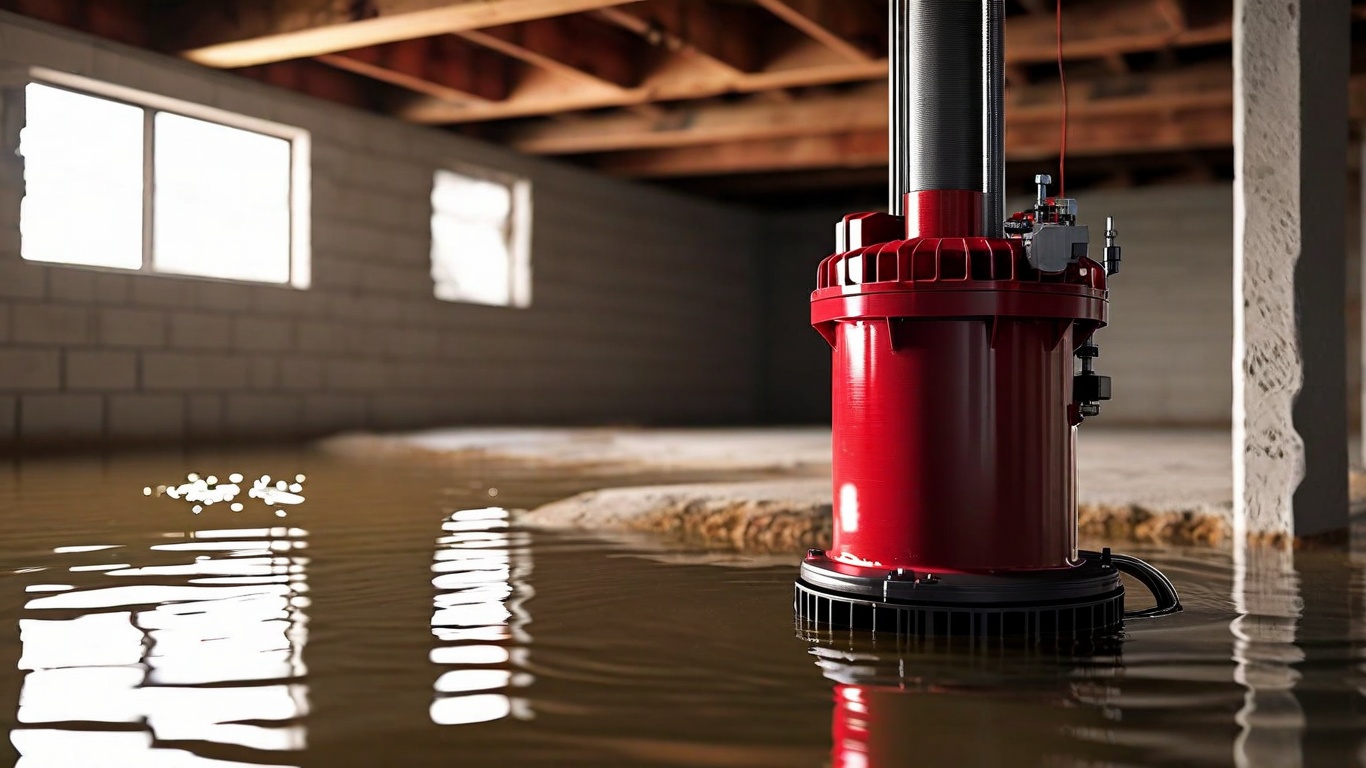
If your home has a basement or crawl space, your sump pump plays a critical role in protecting it from water damage. But even a properly installed system can fail if the drainage isn’t set up correctly.
At Republic Home Services, we help homeowners across Texas prevent costly flooding by addressing sump pump issues before they become emergencies. Below, we break down the most common problems, how to prevent them, and what to do if something goes wrong.
Why Proper Sump Pump Drainage Matters
A sump pump’s job is simple: move excess water away from your home. But if that water isn’t discharged properly, it can flow right back toward your foundation—leading to:
- Basement or crawl space flooding
- Foundation cracks and structural damage
- Mold and mildew growth
- Soil erosion around your home
The key isn’t just having a sump pump—it’s making sure the drainage system is working efficiently year-round.
Common Sump Pump Drainage Problems
Improper Discharge Location
If water is discharged too close to your home, it can seep back into the foundation.
Best practice:
Your discharge line should extend at least 10–20 feet away from your home and direct water downhill.
Clogged Discharge Lines
Leaves, dirt, and debris can block the pipe, preventing water from draining.
Warning signs:
- Gurgling sounds
- Water pooling near the sump pit
- Slow or no drainage
Frozen or Blocked Pipes
While Texas winters are milder, freezing can still occur during cold snaps—especially in exposed piping.
Risk: Ice blockages can cause backups and pump failure.
Sump Pump Running Nonstop
If your pump runs continuously without removing water, there may be a drainage issue.
Possible causes:
- Clogged discharge pipe
- Faulty float switch
- Broken check valve
- Poor yard grading
Backups and Overflows
When water can’t exit properly, it has nowhere to go—leading to overflow.
This is especially common during:
- Heavy rainfall
- Storm surges
- High groundwater conditions
Best Practices for Proper Sump Pump Drainage
Install the Discharge Line Correctly
- Ensure the pipe slopes downward
- Keep it far from your foundation
- Avoid areas where water can pool
Prevent Debris Buildup
- Add a grated cover to the discharge line
- Flush the pipe periodically
- Keep surrounding areas clear of leaves and dirt
Improve Yard Drainage
- Grade your yard so water flows away from the home
- Install French drains or dry wells if needed
- Use permeable landscaping materials
Protect Against Temperature Changes
Even in Texas, insulation can help during winter freezes:
- Wrap exposed pipes
- Use freeze guards if needed
- Keep water moving with proper slope
Routine Maintenance Tips
Regular maintenance is the easiest way to avoid major sump pump failures.
Inspect Every 3–4 Months
Check for:
- Rust or corrosion
- Leaks in pipes
- Worn components
- Debris in the pit
Test Before Heavy Rain
Before storm season:
- Pour water into the pit
- Confirm the pump activates
- Check that water drains properly
Check the Valve System
A faulty check valve allows water to flow back into the pit.
If you notice cycling or backflow, it may be time for a replacement.
Emergency Fixes for Drainage Issues
If your sump pump stops working, here are quick steps to minimize damage:
If the Pump Isn’t Draining
- Check power supply
- Inspect for visible clogs
- Remove debris from the line
If Pipes Are Blocked or Frozen
- Use warm water (not boiling) to clear minor blockages
- Temporarily redirect water away from the home
If the System Overflows
- Shut off power if necessary
- Avoid running the system dry
- Call a professional immediately
Do You Need a Backup Sump Pump System?
A backup system ensures your sump pump works—even during power outages.
Battery Backup Systems
- Easy to install
- Works independently of water supply
- Limited runtime depending on battery
Water-Powered Backup Systems
- Runs continuously using your home’s water supply
- No batteries required
- May increase water usage
Add a High-Water Alarm
A sump pump alarm alerts you before flooding occurs—giving you time to act.
Protect Your Home with Expert Sump Pump Service
Sump pump issues often start small—but can quickly turn into major damage if ignored. Whether you need maintenance, repairs, or a full system upgrade, the team at Republic Home Services is here to help.
We provide:
- Sump pump inspections and repairs
- Drainage system optimization
- Backup system installation
- Emergency plumbing services
Schedule Sump Pump Service Today
Don’t wait until your basement floods to take action. Preventative maintenance and proper drainage setup can save you thousands in repairs.
Contact Republic Home Services today to schedule your sump pump inspection and keep your home protected year-round.
Share This Story, Choose Your Platform!
About the Author: Nathan Orr