

 24/7 365 days a year!
 Schedule
 +500 Positive Reviews
How to Protect Outdoor Pipes from Freezing in Texas Winters
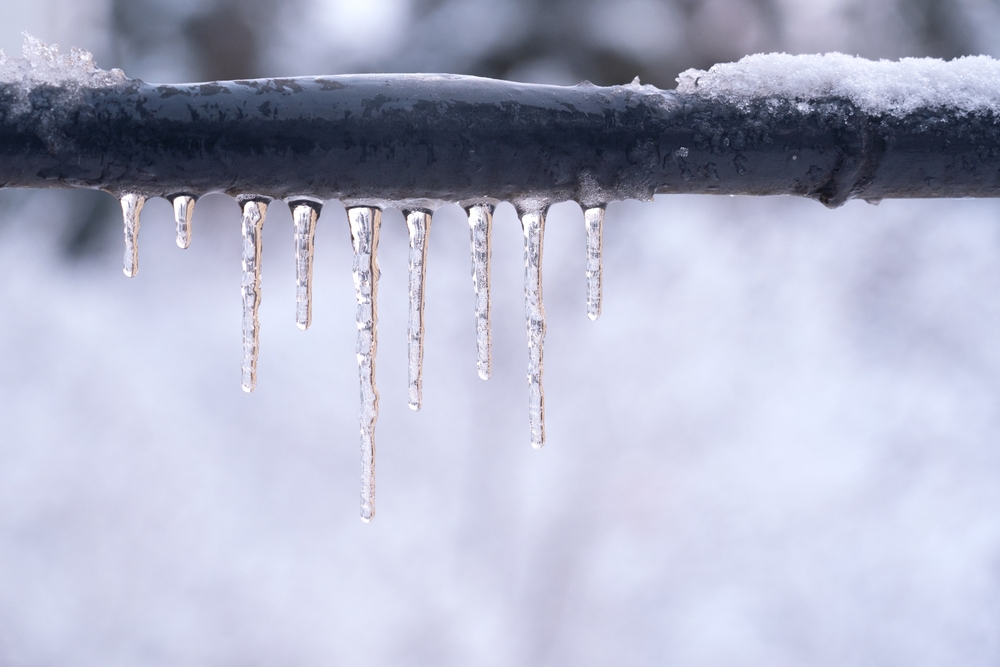
Even though Texas winters are usually mild, sudden cold snaps can bring freezing temperatures that put outdoor plumbing at risk. When water freezes inside exposed pipes, it expands and creates intense pressure that can lead to cracks, leaks, or full pipe bursts. Knowing how to protect your outdoor pipes before a freeze can save you from costly repairs and major water damage.
Why Outdoor Pipes Freeze More Easily
Unlike indoor plumbing, outdoor pipes don’t benefit from insulation or indoor heating. Once the temperature drops near or below 32°F, water inside those lines can begin to freeze. A quick overnight cold front or unexpected arctic blast can cause outdoor pipes to freeze in just a few hours.
Wind exposure and fluctuating temperatures make things worse — pipes cool down faster and lose heat rapidly during freezing nights, especially those attached to exterior walls or running above ground.
Outdoor Plumbing Areas Most Likely to Freeze
Any plumbing exposed to the elements can freeze, but some areas are especially vulnerable:
-
Exterior faucets and hose bibs
-
Water lines for outdoor kitchens or bar sinks
-
Irrigation and sprinkler systems
-
Pool equipment and supply lines
-
Exposed backflow preventers and shutoff valves
These are the first places to check and protect when a freeze warning hits Texas.
How to Keep Outdoor Pipes from Freezing
A few quick steps before the next cold front can make all the difference:
-
Disconnect hoses and store them inside to prevent trapped water from freezing.
-
Turn off water to outdoor faucets at their shutoff valves.
-
Drain remaining water from spigots and outdoor lines after shutting off the supply.
-
Cover hose bibs with faucet covers or insulating materials.
-
Insulate exposed pipes with foam sleeves or wrapping to shield them from wind and freezing air.
-
Keep garage doors closed during cold weather to protect nearby plumbing.
-
Winterize sprinkler systems by draining them before extended cold spells.
Should You Let Faucets Drip During a Freeze?
Letting your outdoor faucets drip slightly can help in short-term freezes. Moving water is less likely to freeze, and the flow relieves pressure inside the line.
However, if temperatures are expected to stay below freezing for several days, dripping may not be enough. In those cases, it’s better to shut off, drain, and cover your outdoor faucets entirely.
Signs Your Outdoor Pipes Might Be Freezing
Catching the problem early can prevent serious damage. Look out for these warning signs:
Weak or no water flow from outdoor faucets.
If your outdoor faucet produces only a small trickle—or no water at all—it’s often the first sign that a pipe has started to freeze. As ice forms inside the pipe, it blocks the normal flow of water. You may also notice uneven water pressure or sputtering. If this happens during a cold spell, act quickly: shut off your main water supply and begin safely warming the affected line to prevent a burst.
Frost or ice visible on pipes.
Seeing frost, ice, or condensation buildup on exposed outdoor plumbing means temperatures have dropped low enough to freeze the water inside. This visual cue often appears before the pipe is fully blocked, giving you a short window to act. Insulating or gently warming these areas can help stop a complete freeze and avoid expensive repairs later.
Whistling or knocking noises when using plumbing.
Unusual sounds such as whistling, banging, or knocking when you turn on a faucet can indicate partial ice blockages inside the line. As water struggles to move through narrowed sections, pressure fluctuations create these noises. Ignoring them could lead to a full blockage or burst pipe, so it’s best to shut off the water and contact a professional plumber for inspection.
Wet spots or leaks near outdoor plumbing.
If you see damp soil, puddles, or moisture near outdoor faucets or walls, you may already have a small crack in your pipe from frozen water expanding inside. These leaks can worsen quickly once the ice thaws and pressure returns. Addressing moisture signs early can save you from structural water damage and higher repair costs.
Swollen or cracked pipes.
A pipe that looks swollen or bulging is under dangerous internal pressure from ice buildup. Once the frozen section starts to thaw, that pressure can cause the pipe to burst suddenly. Cracks or splits are even more serious—they indicate the pipe has already failed. In either case, turn off your water immediately and call Republic Home Services for professional repair before the damage spreads.
Unusual odors from drains or outdoor plumbing areas.
If you notice foul or metallic smells coming from outdoor faucets or drains, it could be a sign of frozen or blocked plumbing. When pipes freeze, trapped water and air can prevent normal drainage and force sewer gases back up through the system. A licensed plumber can locate and clear the frozen section safely to restore proper flow and ventilation.
What to Do if Your Pipes Freeze
If your outdoor pipes have frozen, act fast to prevent them from bursting:
Shut off the main water supply to relieve pressure.
The first and most important step when dealing with frozen pipes is to shut off your home’s main water supply. This prevents additional water from entering the pipes and adding pressure behind any frozen sections. Even a small buildup of pressure can cause pipes to burst once the ice begins to thaw. Knowing where your main shutoff valve is—typically near the water meter, in the garage, or along an exterior wall—is essential for fast action during a freeze emergency.
Open affected faucets so melting ice can release pressure safely.
After turning off the main water supply, open the faucets connected to the frozen lines. This gives expanding ice a place to release water and pressure as it melts, reducing the risk of the pipe cracking. Start with the faucet closest to the frozen section and work your way outward. Keeping faucets open also helps you see when the ice blockage begins to thaw, since water will start to flow again.
Apply gentle heat using a hair dryer, space heater, or warm towels—never use open flames.
Once you’ve relieved pressure and opened faucets, gently warm the frozen pipe to restore water flow. Use safe, indirect heat sources such as a hair dryer, heating pad, or warm towels. Work slowly along the frozen section, starting near the faucet and moving toward the blocked area. Avoid using open flames, blowtorches, or propane heaters—these can cause serious fire hazards and may damage the pipe. Slow, steady heat is the safest and most effective method.
Call a licensed plumber at Republic Home Services if pipes are bulging, cracked, or inaccessible.
If your frozen pipes show signs of bulging, cracking, or you can’t easily reach them—don’t risk further damage. Call a licensed plumber from Republic Home Services right away. Our experienced technicians can safely thaw frozen pipes, repair leaks, and inspect your plumbing system for additional damage. Acting quickly not only minimizes water damage but also prevents future freeze issues from recurring.
Long-Term Freeze Prevention Tips
Preventative maintenance is the best defense against future freeze damage. Consider these improvements:
-
Add permanent pipe insulation to exposed lines.
-
Install frost-proof hose bibs to prevent water from sitting near the cold exterior.
-
Improve home insulation, especially around exterior walls, attics, and crawl spaces.
-
Use a smart thermostat to maintain a consistent indoor temperature, even when you’re away.
-
Schedule annual plumbing inspections before winter to identify risks early.
Protect Your Outdoor Plumbing with Republic Home Services
At Republic Home Services, we understand how unpredictable Texas winters can be. Our licensed plumbers provide expert outdoor pipe protection, winterization, and pipe repair services to help homeowners prevent freeze-related damage.
Don’t wait until temperatures drop—schedule your winter plumbing check-up today and keep your home’s pipes safe all season long.