

 24/7 365 days a year!
 Schedule
 +500 Positive Reviews
Tankless Water Heaters vs. Traditional: Which is Best for Texas Homes?
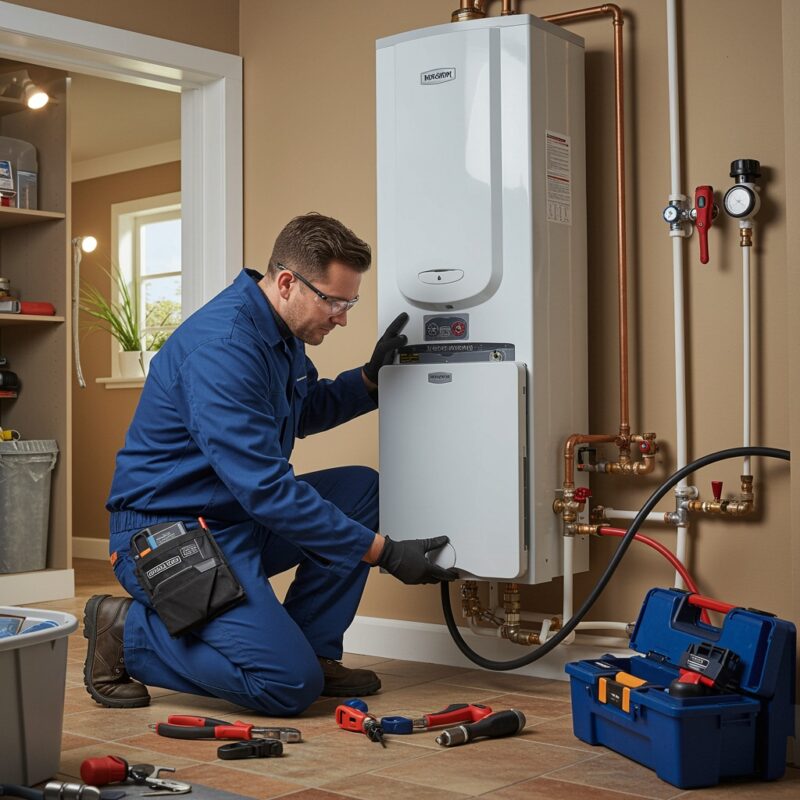
When you’re coming in out of a 37°F Dallas winter day, there’s nothing like a hot shower to warm up. However, if your hot water is cutting out right in the middle of your routine, it may be time to upgrade your water heater.
Traditional tank water heaters and tankless water heaters are both popular systems for Texas homes, but they operate very differently and have different pros and cons. We’ll explore how to choose between tankless water heaters vs. traditional so you can find the best fit for your family.
How Traditional Tank Water Heaters Work
Are tankless water heaters the better option for large families? Traditional tank water heaters use a large storage tank to hold hot water. The water in the tank is maintained at a set temperature to ensure it’s always ready for use. That said, when the water in your tank runs out, it is filled with cold water that now needs to heat up — a process that can take hours.
Tank water heaters are available in a variety of different sizes, but common sizes range from 40 to 80 gallons. The two main types of tank water heaters are gas water heaters and electric water heaters.
How Tankless Water Heaters Work
Tankless water heaters don’t pre-heat water. Instead, they only heat up water when you turn on an appliance or open a tap that requires hot water using high-powered heating elements or gas burners. Since there’s no need to hold water, these systems don’t have a storage tank.
Key Differences Between Tankless and Traditional Systems
Although traditional and tankless water heaters both provide hot water, there are several key differences between the two types of systems.
Hot water production
Tank water heaters heat water inside of the large storage tank, while tankless systems instantly heat water as it passes through the system.
Storage vs. on-demand heating
Traditional tank water heaters store a large volume of hot water in the tank, and continuously reheat the water as it cools. Tankless systems heat water on demand and do not store any pre-heated water.
Energy use
Tank and tankless systems differ significantly in their energy use through standby consumption and power source (gas vs electric).
System lifespan
Traditional tank water heaters typically last eight to 12 years, while tankless water heaters last 15 to 20 years or more with proper maintenance.
Installation requirements
Depending on your utilities (power source), plumbing connections, and general accessibility, installation requirements can vary greatly between the two systems.
Upfront cost vs long-term savings
While traditional water heaters have a lower upfront cost, tankless water heaters are often more affordable in the long run because of their longer lifespans and lower energy costs.
Pros of Traditional Tank Water Heaters
Traditional tank water heaters have several great advantages:
- Higher flow rate: Tank water heaters can supply multiple water appliances at once, which is helpful if you want to do simultaneous activities like taking a shower while running the dishwasher.
- Lower upfront cost: Since tank water heaters are quicker and easier to install, they typically cost less upfront.
- Compatible with existing systems: If your home already has a tank system, replacing your old water heater won’t require any extra changes.
Cons of Traditional Water Heaters
When considering the right type of water heater, it’s helpful to know the limitations of traditional systems:
- Running out of water: While tank water heaters can provide lots of water at once, when it’s used up the tank will have to refill and reheat before there’s more hot water.
- Higher energy loss: Storing heated water in the tank leads to standby energy loss, creating higher utility bills.
- Shorter lifespan: Even with good maintenance, tank heaters typically last eight to 12 years with many home insurance underwriters refusing to insure for water damage if it’s over 10 years old.
- Higher space footprint: Because they require a large tank, traditional heaters will take up more space in your home.
- Risk of leaks: While water tanks are fairly sturdy, if bumped or damaged they can leak or break down.
Pros of Tankless Water Heaters
Tankless water heaters are popular in Texas homes for their many pros, including:
- Unlimited hot water: Thanks to the on-demand heating system, you never have to worry about running out of hot water.
- Higher energy efficiency: Tankless water heaters are up to 34% more energy efficient, which translates to significant utility savings.
- Longer system lifespan: Tankless water heaters typically last more than twice as long as traditional tank water heaters.
- Compact design: Since they don’t take up space with a tank, tankless water heaters are great for compact spaces.
Cons of Tankless Water Heaters
There are also some important downsides to tankless water heaters:
- Higher initial cost: Although tankless water heaters offer greater energy savings in the long run, they typically have a higher initial installation cost.
- May require upgrades: If your home requires gas or electrical upgrades to operate a tankless water heater, this can increase the installation cost.
- Limited flow rate: While tankless heaters never run out of hot water, they’re not able to supply as much water at once, meaning they usually can’t provide hot water to multiple fixtures at the same time.
- Compatibility with older homes: If you live in an older home that’s previously only had traditional water heaters, installing the proper fuel line and electrical systems may be complex.
Factors Texas Homeowners Should Consider
The following factors can help you find the right system for your Texas home:
- Hot water demand: The frequency and volume of your household hot water use can help determine the best system for you. For example, tankless systems are often a good choice for large households.
- Homes with multiple bathrooms: Many Texas homes have multiple bathrooms, so you may need a large tank system with high flow rate or multiple tankless systems placed close to high-use fixtures.
- Energy costs: Choosing a more energy-efficient hot water heater like a tankless system can help keep your utility bills lower.
- Installation location: Garage and attic installations are common in Texas homes, and may impact the type of system you can install.
- Hard water: Texas’s hard water may mean that tankless water heaters need to be flushed more frequently.
When Tankless Water Heaters Make the Most Sense
Tankless water heaters are a great fit for large households where there’s a continuous demand for water. They’re also ideal for homeowners who want to improve their energy efficiency and save on their energy costs. Since tankless water heaters have a higher upright cost but are more affordable in the long run, they’re often popular with people who are planning to stay in their home in the long term or who are currently in the process of performing major home renovations.
When a Traditional Tank Water Heater May Be the Better Choice
If you’re looking for a budget conscious replacement for your existing tank water heater, a traditional tank water heater may be the best fit. These systems are ideal for smaller households who don’t require a continuous flow of water, or for households who want to run multiple water appliances at the same time. Tank water heaters are also more convenient if your home has existing tank infrastructure and it would be costly or challenging to upgrade to a tankless system.
Professional Installation Considerations
When you’re ready to replace your home water heater, consulting a pro is key to choosing the right system and making sure it’s installed correctly. A professional plumber can talk to you about your family’s water needs, your home’s layout and fuel line requirements, venting considerations for a safe water heater, and optimising your energy efficiency. Once you’ve found the perfect system for your home, a licensed plumber will ensure it’s installed correctly and fully compliant with all federal, state, and local codes. They’ll also test the system to make sure it’s delivering hot water and meeting all necessary safety standards.
Call Republic Home Services for Expert Water Heater Solutions
Whether you’re looking to replace your existing water heater or upgrade to a new system, Republic Home Services is your go-to for professional water heater installations in Dallas, TX. We install and service traditional tank water heaters and energy-efficient tankless water heaters to help you find the best water heating solution for your home. Contact us today to book your installation or to learn more about choosing the right water heater in Texas.
Frequently Asked Questions
Are tankless water heaters worth it in Texas?
Yes, tankless water heaters are often worth it in Texas thanks to their energy efficiency and continuous water delivery system. They’re especially good if you use a lot of hot water and want to save on your utility costs.
How much does a tankless water heater cost to install?
Tankless water heater installation costs vary depending on the system you choose and the existing fuel and electricity lines in your home. Our plumbers can provide you with a comprehensive quote for installation in your home.
Is it expensive to switch from a tank to a tankless system?
Depending on your home’s current fuel and electricity set-up, it may be expensive to switch from a tank to a tankless water heater. However, switching to a tankless system is still usually more affordable in the long run thanks to significant energy savings and longer system lifespan.
Share This Story, Choose Your Platform!
About the Author: Nathan Orr