

 24/7 365 days a year!
 Schedule
 +500 Positive Reviews
Why Plumbers Hate Drano and Other Liquid Drain Cleaners
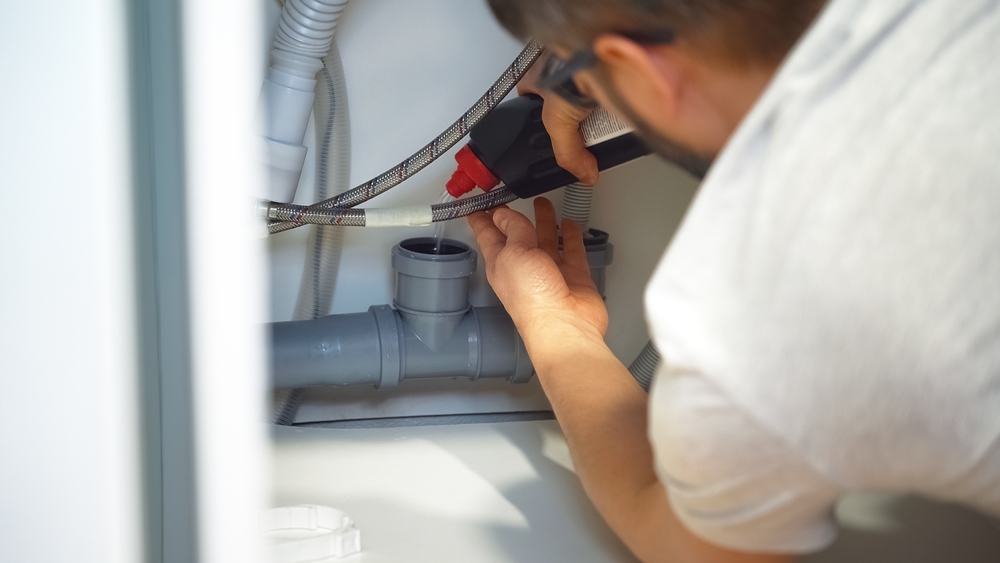
If you’ve ever attempted to deal with a clogged drain yourself, there’s a good chance you headed to the hardware store, grabbed a bottle of liquid drain cleaner, and poured it down your drain. This might have unclogged the drain somewhat, but you’ll notice that, when you hire a professional drain cleaner, they don’t use a chemical drain product. In this guide, we’ll explain why plumbers never use products like Drano for drain cleaning, instead relying on mechanical methods and safe, enzyme-based cleaners to get the job done.
What Is Drano and How Does It Work?
Drano (and similar products) is a consumer product designed to dissolve clogs in clogged drains. These products mostly rely on harsh, caustic chemicals like sodium hydroxide (lye) and sodium hypochlorite (bleach). This alkaline solution is meant to break down organic matter that causes drain clogs, such as hair, soap scum, and grease.
Drano also sometimes contains aluminum, which chemically reacts with water and lye to cause an exothermic (heating) reaction. This heat can melt clogs of fat and grease, helping to clear a stuck drain.
This all sounds fine, but as we’ll soon see, there are a number of chemical drain-cleaner problems that make them a less-than-ideal clogged sink solution.
Why Plumbers Recommend Avoiding Liquid Drain Cleaners
So why do plumbers hate Drano? There are a few main reasons that any good plumber will advise against the use of chemical drain cleaners, including:
Damage to pipes and plumbing
The caustic chemicals in Drano and other products don’t just eat away at clogs. Over time, these harsh compounds and the heat they generate can also lead to corrosion in metal plumbing, damage to PVC drain pipes, and softened glue joints throughout the plumbing system. While this isn’t something to worry about after a single use of Drano, repeated use will start to weaken your plumbing. Eventually, this could lead to plumbing damage from chemicals, such as leaks or even full pipe ruptures.
Health and safety risks
Exposure to the caustic chemicals in drain cleaner poses real risks to your health and safety. If the Drano gets in contact with your skin or, worse, your eyes, you could sustain serious chemical burns or eye damage. This is due to the caustic nature of lye and bleach, as well as the extreme heat caused by the exothermic reaction.
There are other dangers of liquid drain cleaners to consider. Even if you avoid direct contact with the drain cleaner, these chemicals still emit toxic fumes as they do their work in the drain. If you end up breathing in these fumes, you’ll deal with respiratory irritation, coughing, or even breathing difficulties.
Drano can also do serious damage to your home if poured down the wrong drain. If you use a heating formula in an old PVC pipe, the extreme temperatures can weaken or destroy the plumbing, turning a simple clogged drain into a serious plumbing emergency.
Ineffectiveness against certain clogs
Liquid drain cleaners are often ineffective. Many drain cleaners struggle to dissolve hair and grease clogs (two of the most common causes of drain clogs), and if a foreign object is lodged in the drain, they will probably do nothing to help. Even if the drain cleaner does eat through a clog, consider that it will only remove a small part before the drain is open enough for the cleaner to escape down your pipes, leaving the majority of the clog intact. Before long, you’ll find your sink or tub drain fully clogged again.
Safer Alternatives to Chemical Drain Cleaners
With these downsides of chemical drain cleaners covered, what are some safe drain-cleaning methods that actually work? Rather than wasting money on Drano or running the risks of homemade drain cleaner, we recommend working with a professional who will actually resolve your issue for good.
Mechanical methods
The most effective way to clear a clog is to physically remove it from your drains. That’s why drain cleaning professionals mainly rely on mechanical methods before using anything else.
There are a few tools on the market for this job (all available at hardware stores for the DIY-inclined), such as plungers, drain snakes, and augers. These fulfill different purposes — a plunger can help dislodge clogs through suction, a drain snake can puncture a hole through a clog, and augers help dislodge all debris from the drains by scraping the sides of the pipe clean.
If you have these tools or are just dealing with a one-off drain clog, you can probably clear it yourself. But if the clog keeps recurring or your DIY efforts don’t help, it’s time to call in the pros.
Eco-friendly enzyme-based cleaners
Certain products are available that can unclog drains without harsh chemicals. There are several enzyme-based chemicals that rely on live bacteria and naturally derived enzymes rather than lye and bleach. These microbes actually digest organic material that clogs drains, making them an effective solution for hair and grease clogs.
While these cleaners are fume-free, eco-friendly, and don’t harm you if they get on your skin, they have the same limitations as a chemical liquid drain cleaner — they often eat through just a portion of the clog before draining away, only for the clog to form again just a few weeks later.
When to Call a Licensed Plumber
How do you know when a drain clog is beyond DIY methods? While you may have some success with chemical drain cleaners, enzyme-based products, or DIY mechanical methods, you should contact a pro for drain-clog solutions in Texas if your clog-clearing methods don’t work or if the clog keeps reappearing.
You should also contact a plumber if you notice any signs of pipe damage, such as leaks or visible wear. Attempting to work on weakened pipes without the proper knowledge increases the risk of even more plumbing issues down the line.
Working with a drain-clearing professional doesn’t just help you clear your drains. These experts will also take the opportunity to inspect the system and determine whether any other issues are lurking beneath the surface. With their help, you can avoid leaks, chronic drain clogs, and drain backups, giving you much-needed peace of mind.
How Republic Home Services Can Help
If you’re dealing with a clogged drain, chemical products are almost never the answer. For the best, most long-lasting results, we recommend working with a skilled, local plumbing team like the one at Republic Home Services. When we’re finished with your drain, you can expect it to flow like new, be free of unpleasant odors, and continue to work reliably for a long time to come. For more info on the benefits of professional drain cleaning or to book a service appointment, contact us today.
Frequently Asked Questions
Can I use Drano occasionally without damage?
Drano isn’t an ideal solution to clogged drains, but it’s generally safe to use from time to time. Avoid using it on weakened, old pipes or in toilets, and use it sparingly to prevent plumbing damage.
Why do clogs keep coming back after using liquid cleaners?
Clogs recur after chemical cleaning because the liquid tends to dissolve only part of the clog, leaving the majority intact. After a short time, the rest of the clog reforms, putting you back at square one.
Are enzyme cleaners safe for all pipes?
Yes, enzyme-based cleaners are safe for all types of pipes. You can safely use these products on metal, PVC, and other types of piping, as the bacteria and enzymes within only react with organic material.
How much does professional drain cleaning cost?
Drain-cleaning costs will vary depending on the severity of the clog. Depending on how long it takes to clear your drains, this service may cost between $100 and $500.
Can liquid cleaners fix a completely blocked drain?
Liquid chemical drain cleaners can completely clear a blocked drain, at least temporarily. But when you consider the risks of working with such toxic chemicals and the higher effectiveness of other methods, you’ll see that other options are usually better.
Share This Story, Choose Your Platform!
About the Author: Nathan Orr