
 24/7 365 days a year!
 Schedule
 +500 Positive Reviews
What Not to Flush Down Your Toilet
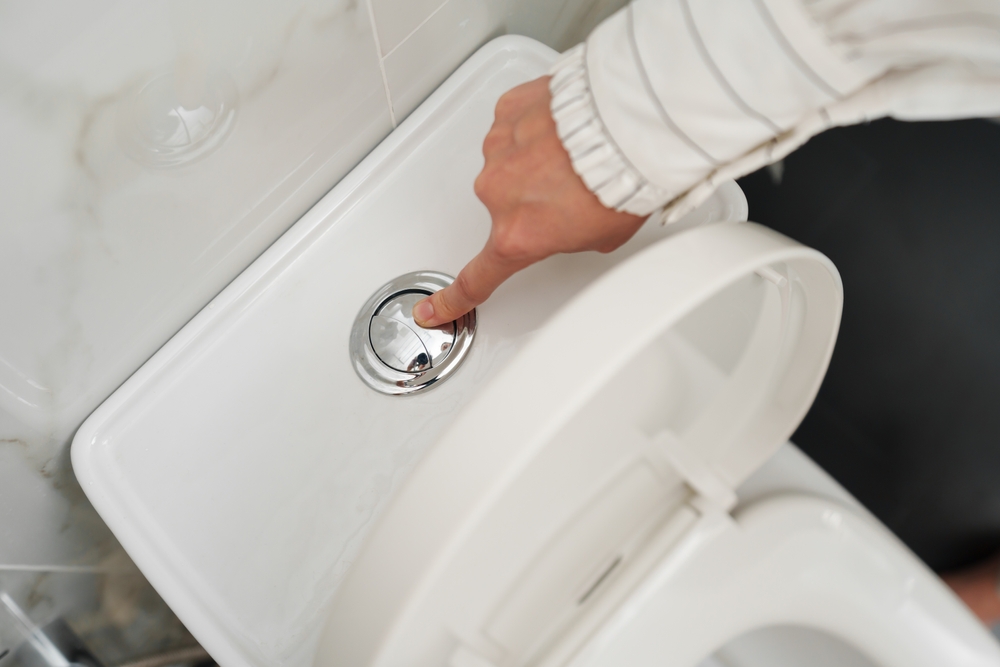
Your toilet seems like it can handle anything, but flushing the wrong items can lead to expensive clogged toilet repairs and serious plumbing headaches. While most people know that only human waste and toilet paper belong in the bowl, countless homeowners across Texas still treat their toilets like garbage disposals.
The biggest culprits are products labeled as “flushable” wipes. Despite what the packaging claims, many of these items don’t break down like toilet paper and can cause major problems for your home’s drainage system. At Republic Home Services, our plumbers see the aftermath of these mistakes daily, from clogged toilets backing up into homes to damaged sewer lines requiring thousands of dollars in repairs.
Items You Shouldn’t Flush Down Your Toilet
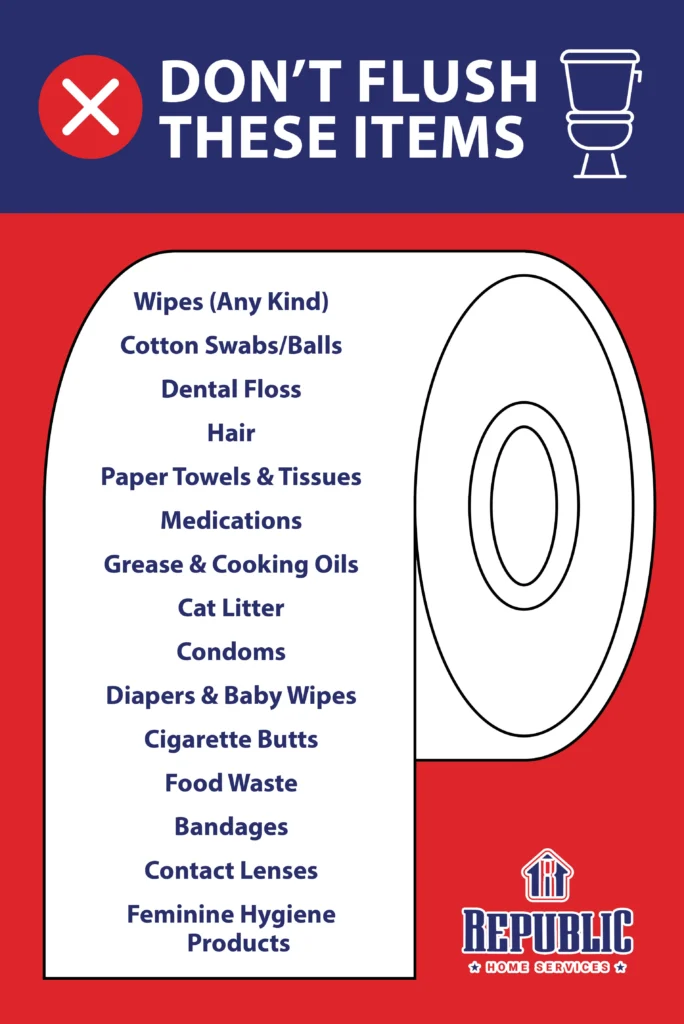
Even items that seem harmless or claim to be toilet-safe can cause serious blockages in your pipes and sewer lines. Here’s what to keep out of your toilet:
- Wipes of any kind: Even if the labels state they’re flushable wipes, these wipes don’t disintegrate like toilet paper. In fact, they’re among the top causes of clogs that require professional drain cleaning.
- Cotton swabs and cotton balls: These materials absorb water and expand, forming dense masses that stick to pipe walls and trap other debris.
- Dental floss: This thin string doesn’t break down and can wrap around other materials, forming tough clogs that grow larger over time.
- Hair: Whether from brushing or grooming, hair forms tangles, much like dental floss, that catch additional debris and create stubborn blockages.
- Feminine hygiene products: Tampons, pads, and applicators are designed to absorb moisture and expand, making them perfect for blocking pipes.
- Paper towels and tissues: Unlike toilet paper, paper towels and facial tissues are engineered to stay strong when wet and won’t break apart in water.
- Medications: Most medications should be disposed of through pharmacy take-back programs unless specific FDA instructions state otherwise, as they contaminate water supplies.
- Cooking grease and oils: These substances solidify as they cool, coating the interior of the pipe and creating narrower passages that trap solid waste.
- Cat litter: Even flushable varieties can clump and harden in pipes, creating concrete-like obstructions that can cause serious pipe damage.
- Condoms: Made from latex or polyurethane, condoms don’t degrade and can cause blockages or damage to septic systems.
- Diapers and baby wipes: These absorbent products expand dramatically when wet and are far too large for toilet drains to handle.
- Cigarette butts: The filters contain plastic fibers that never break down and release toxic chemicals into water systems.
- Food waste: Coffee grounds, eggshells, and other food scraps don’t dissolve and contribute to pipe buildup.
- Bandages and adhesive strips: The plastic backing and adhesive don’t break down and can stick to pipe walls.
- Contact lenses: These tiny plastic discs contribute to microplastic pollution in waterways.
What Is Safe to Flush
The answer is refreshingly simple: only human waste and toilet paper are safe to flush down the toilet. That’s it.
Toilet paper is designed to break down rapidly when exposed to water and agitation, which is why it moves through your plumbing system without causing problems. Modern toilet paper disintegrates quickly, fragmenting into small pieces that flow easily through pipes and sewer lines.
While Red Oak residents may be curious about biodegradable or septic-safe products, it’s important to approach them cautiously. If an item isn’t explicitly designed as toilet paper, it probably doesn’t belong in your toilet. When in doubt, throw it out in the trash instead.
Why This Matters
Being careful about items you shouldn’t flush protects more than just your immediate plumbing. The effects ripple through your entire household, your wallet, and even your community’s infrastructure.
Prevent clogged toilets
Proper toilet clog prevention starts with knowing what not to flush down your toilet and sticking to those guidelines consistently. Flushable wipe issues have become so common that our technicians at Republic Home Services frequently use sewer camera inspection technology to locate wipe-related clogs deep within the system.
These cameras reveal just how “flushable” products drape across pipe joints and catch points, forming barriers that trap everything else flowing through. These flushable wipe issues often start small but compound over time as more debris accumulates around the initial obstruction.
Household plumbing health
Your home’s drainage system is a connected network, and a clog in one area can affect fixtures throughout your house. When foreign objects block the flow, water backs up and seeks alternative routes, potentially causing toilets to overflow, sinks to drain slowly, or bathtubs to fill with wastewater.
Cost savings and fewer repairs
Preventing clogs is far cheaper than fixing them. A single clogged toilet repair service call can cost hundreds of dollars, while severe blockages requiring sewer line repair can run into thousands. Homeowners in Midlothian, Lancaster, and surrounding areas in Texas have faced bills exceeding $5,000 when tree roots combine with flushed debris to damage underground sewer lines.
The expense doesn’t stop at the repair itself. Water damage from overflowing toilets can ruin flooring, baseboards, and drywall. If sewage backs up into living spaces, you’re looking at professional cleaning and sanitization costs on top of plumbing repairs. Prevention through mindful flushing habits costs nothing but saves substantially.
Environmental impact
What goes down your toilet doesn’t disappear. It travels through your home’s pipes into municipal sewer systems or septic tanks, and improper flushing creates problems beyond your property line. Cities across Dallas County spend millions every year to remove non-biodegradable materials from wastewater treatment facilities. When “flushable” wipes and other products clog pumping stations, municipalities pass those maintenance costs to taxpayers.
Items that make it through treatment plants often end up in rivers and lakes, where they harm aquatic ecosystems. Medications flushed down toilets can’t be completely filtered out and contaminate water supplies. Microplastics from contact lenses and synthetic materials accumulate in waterways, affecting wildlife and potentially entering the food chain.
Septic system maintenance
If your Ellis County home uses a septic system instead of municipal sewer connections, septic system care becomes even more important. Septic tanks rely on natural bacterial processes to break down waste, and non-biodegradable materials disrupt this delicate balance. Wipes, paper towels, and hygiene products don’t decompose in septic systems, which can fill faster and require more frequent pumping.
Worse yet, items that escape the tank can clog the drain field, the network of perforated pipes that distributes treated water into the soil. Replacing a failed drain field costs as much as $30,000, a catastrophic expense that’s entirely preventable through proper toilet flushing habits. Septic systems also can’t handle chemicals from medications, cleaning products, or excessive grease, which kill beneficial bacteria and reduce treatment effectiveness.
Get Professional Help for Your Plumbing Needs
Even with careful attention to what goes down your drains, plumbing problems can still develop. Old pipes, tree root intrusion, and gradual mineral buildup affect homes throughout the Dallas-Fort Worth Metroplex. When you notice slow drains, gurgling sounds, or recurring backups, don’t wait for a full-blown emergency before calling for help.
Republic Home Services offers comprehensive plumbing solutions for homeowners across Ellis County and Dallas County. Our licensed technicians provide same-day service for urgent issues and preventive maintenance to keep your system running smoothly. Contact us today to schedule a plumbing inspection or request a free consultation. Let Republic Home Services protect your home’s plumbing system so you can focus on what matters most.