

 24/7 365 days a year!
 Schedule
 +500 Positive Reviews
Most Common Causes of Clogged Drains in Texas Homes
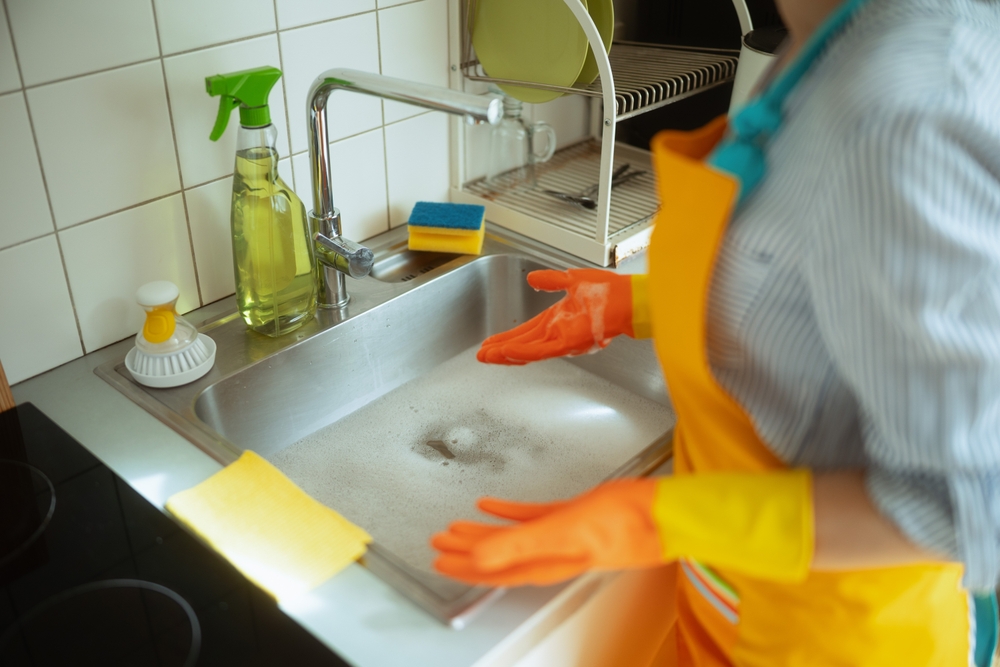
Clogged drains are one of the most common plumbing problems homeowners face. From slow-moving sinks to completely blocked sewer lines, drain clogs can quickly disrupt your daily routine and potentially lead to costly plumbing repairs if ignored.
At Republic Home Services, our plumbers regularly help homeowners throughout Ellis County, Dallas County, and Collin County diagnose and resolve stubborn drain issues. Understanding what commonly causes clogged drains can help you prevent plumbing problems before they become major headaches.
Common Causes of Clogged Drains
Hair Buildup
Hair is one of the leading causes of bathroom drain clogs. Loose strands can collect inside shower, bathtub, and sink drains, where they combine with soap residue and other debris to create dense blockages.
Over time, hair buildup restricts water flow and can eventually lead to standing water and slow drainage.
Common warning signs include:
- Slow-draining tubs or showers
- Gurgling sounds
- Water pooling around drains
Using drain screens can help prevent hair from entering your plumbing system.
Grease and Cooking Oils
Kitchen drain clogs are often caused by grease, fats, and cooking oils poured down the sink. Even when grease is liquid, it hardens as it cools inside pipes, creating a sticky buildup that traps food particles and debris.
This buildup gradually narrows your pipes and restricts water flow.
Common offenders include:
- Bacon grease
- Cooking oil
- Butter and fats
- Sauces and gravies
Instead of pouring grease down the drain, allow it to cool and dispose of it in the trash.
Soap Scum and Residue
Soap scum can slowly accumulate inside bathroom plumbing, especially in areas with hard water. Over time, this residue sticks to pipe walls and contributes to reduced drainage capacity.
When combined with hair or other debris, soap buildup can create stubborn clogs that require professional drain cleaning.
Food Waste
Many homeowners assume garbage disposals can handle any food waste, but certain foods frequently contribute to clogged kitchen drains.
Items that commonly cause problems include:
- Coffee grounds
- Eggshells
- Pasta and rice
- Fibrous vegetables
- Starchy foods
These materials can expand, clump together, and restrict water flow inside your plumbing system.
Flushable Wipes and Foreign Objects
Despite the name, “flushable” wipes do not break down like toilet paper and are a major contributor to sewer and drain blockages.
Other commonly flushed items that should never enter your plumbing include:
- Paper towels
- Cotton swabs
- Feminine hygiene products
- Dental floss
- Small toys or objects
These materials can become lodged deep within your plumbing system and often require professional removal.
Mineral Buildup From Hard Water
Hard water contains minerals like calcium and magnesium that can build up inside pipes over time. This mineral accumulation reduces pipe diameter and slows drainage.
Older homes are especially susceptible to mineral buildup, particularly if plumbing systems have not been regularly maintained.
Tree Root Intrusion
Tree roots are one of the most serious causes of sewer line blockages. Roots naturally seek moisture and can enter tiny cracks in underground pipes.
Once inside, roots continue growing and can eventually:
- Block wastewater flow
- Cause sewage backups
- Crack or collapse sewer lines
Signs of tree root intrusion may include multiple drains backing up at once or recurring sewer odors around your property.
Pipe Corrosion or Aging Plumbing
Older plumbing systems can develop corrosion inside pipes, creating rough surfaces that catch debris and encourage clogs.
In severe cases, aging pipes may partially collapse, restricting water flow entirely and requiring pipe replacement.
Poor Drain Installation or Pipe Slope Issues
Sometimes recurring drain problems stem from improper plumbing installation. Pipes that are not sloped correctly can cause water and debris to sit instead of flowing properly through the system.
If your home experiences frequent clogs despite careful drain use, a professional plumbing inspection may help identify underlying design issues.
Tips To Help Prevent Drain Clogs
Preventive maintenance can significantly reduce your risk of clogged drains and plumbing emergencies.
Here are a few simple ways to protect your plumbing system:
- Use drain screens in showers and sinks
- Avoid pouring grease down drains
- Limit food waste entering your disposal
- Only flush toilet paper
- Regularly clean drains with safe methods
- Schedule routine plumbing inspections
For homes with recurring drain issues, professional drain cleaning can help remove buildup before it causes major blockages.
When To Call a Professional Plumber
Some minor clogs can be cleared with a plunger or simple cleaning methods, but certain warning signs indicate a more serious issue.
Contact a professional plumber if you notice:
- Persistent slow drains
- Standing water
- Frequent clogs
- Sewer odors
- Multiple drains backing up simultaneously
Professional plumbers use specialized equipment like drain snakes, hydro jetting systems, and sewer camera inspections to safely diagnose and remove severe blockages.
Schedule Drain Cleaning With Republic Home Services
If you’re dealing with stubborn drain clogs or recurring plumbing issues, the team at Republic Home Services is here to help.
We proudly provide professional drain cleaning and plumbing services throughout Ellis County, Dallas County, and Collin County. Whether you need help clearing a clogged sink, diagnosing sewer line issues, or preventing future plumbing problems, our experienced plumbers are ready to assist.
Contact Republic Home Services today to schedule your drain inspection or cleaning service.