

 24/7 365 days a year!
 Schedule
 +500 Positive Reviews
Can Solar Panels Power Your Air Conditioner in Texas?
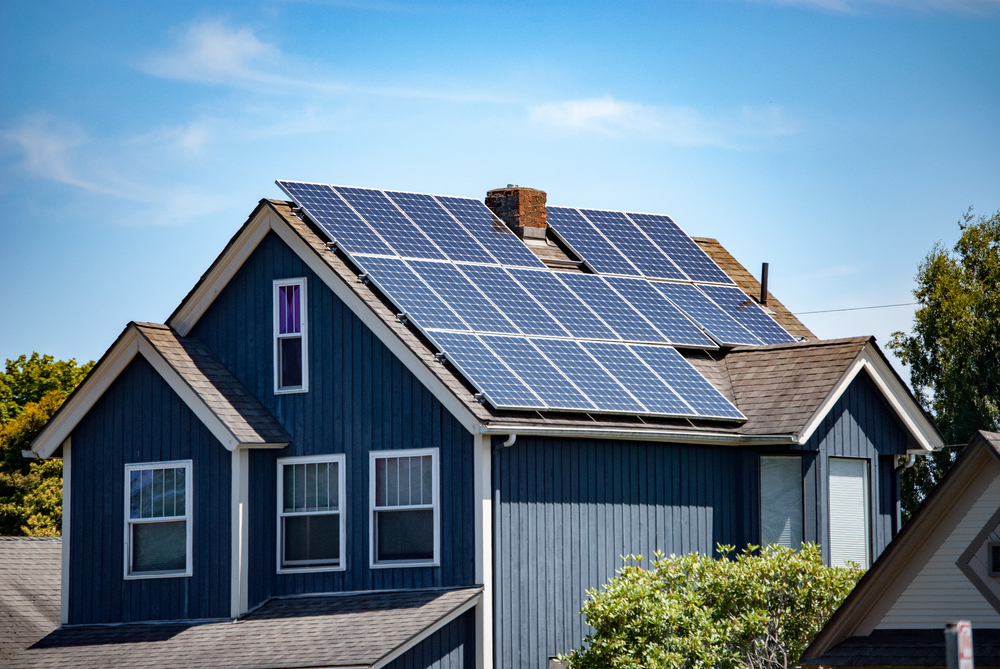
With rising energy costs and long Texas summers, many homeowners are exploring ways to make their cooling systems more energy efficient. One of the most common questions we hear is whether solar panels can actually power an air conditioner — and the answer is yes.
With the right setup, solar panels can generate enough electricity to help power your AC system and reduce your dependence on the electrical grid. Because air conditioning is often one of the largest contributors to monthly utility bills in Texas, pairing your cooling system with solar energy can lead to substantial long-term savings.
Whether you live in Ellis County, Dallas County, or Collin County, understanding how solar-powered air conditioning works can help you decide if it’s the right investment for your home.
How Solar Panels Power an Air Conditioner
Solar panels collect energy from sunlight and convert it into usable electricity for your home. That electricity can either:
- Power your air conditioning system directly
- Supply energy to your home while reducing grid usage
- Be stored in battery systems for later use
Most residential solar systems are connected to the electrical grid, meaning your home can still pull electricity when solar production is low, such as during storms or at night.
There are typically two types of solar-powered AC setups:
Hybrid Solar Systems
Hybrid systems use both solar energy and traditional electricity. During sunny hours, solar panels offset part or most of your AC’s energy usage. When solar production decreases, the system automatically uses grid power.
Off-Grid Solar Systems
Off-grid systems rely entirely on solar panels and battery storage. These setups require significantly more panels and batteries to maintain consistent cooling during cloudy weather or overnight.
For most Texas homeowners, hybrid systems are the more practical and cost-effective option.
How Much Energy Does an Air Conditioner Use?
Air conditioners consume a large amount of electricity, especially during peak Texas summer temperatures. The exact amount depends on factors such as:
- The size of your home
- Outdoor temperatures
- Insulation quality
- Your thermostat settings
- The efficiency of your AC system
On average, a central air conditioner may use around 2,000 kWh annually or more in hotter climates like Texas. Older systems often consume significantly more energy than newer high-efficiency models.
To estimate daily energy usage, multiply your AC’s wattage by the number of hours it runs each day. For example:
- 1,000-watt AC × 5 hours = 5,000 watts (5 kWh) daily
Knowing your cooling system’s energy demand helps determine how many solar panels your home may need.
How Many Solar Panels Are Needed to Run an AC?
The number of solar panels required depends on:
- Your AC system’s energy consumption
- Your home’s total electricity usage
- Local sunlight conditions
- Solar panel efficiency
A standard residential solar panel produces roughly 250–400 watts per hour under ideal conditions. If your AC system uses 1,000 watts per hour, you may need approximately four or more panels dedicated just to cooling.
However, most homeowners install solar systems designed to offset the energy usage of the entire home — not only the air conditioner.
Because Texas receives abundant sunlight throughout much of the year, homeowners in areas like Ellis County, Dallas County, and Collin County are often in a strong position to benefit from solar energy production.
Benefits of Using Solar Power for Air Conditioning
Installing solar panels alongside your air conditioning system can provide several advantages.
Lower Energy Bills
Cooling costs can spike during Texas summers. Solar panels can help offset those costs by reducing how much electricity you purchase from the grid.
Reduced Environmental Impact
Solar energy is a renewable energy source that produces no direct emissions, helping reduce your home’s carbon footprint.
Greater Energy Independence
Solar panels paired with battery storage can provide additional protection during grid outages and periods of high electricity demand.
Increased Home Value
Many homeowners see solar systems as a long-term investment that may improve property value and market appeal.
Common Challenges of Solar-Powered Cooling
While solar energy offers major benefits, there are some factors to consider before installation.
Weather and Sunlight Variability
Cloudy weather and storms can reduce solar energy production. Hybrid systems help solve this issue by using utility power when solar generation drops.
Roof Space and Placement
Solar panels work best on roofs with adequate sunlight exposure. Shaded roofs or limited installation space may reduce efficiency.
Upfront Installation Costs
Solar systems require a larger initial investment than traditional electrical usage alone. However, long-term energy savings often help offset those costs over time.
Federal Tax Credits and Incentives
Many homeowners may qualify for federal solar incentives that help reduce installation costs. Programs and eligibility requirements can change over time, so it’s important to speak with a qualified solar professional or tax advisor for current information.
Texas homeowners may also benefit from utility rebates or local solar incentive programs depending on their location and provider.
Is Solar Power Right for Your Texas Home?
Solar-powered air conditioning can be an excellent option for homeowners looking to lower cooling costs and improve energy efficiency. Homes in North Texas often receive enough annual sunlight to make solar energy a worthwhile long-term investment.
The best way to determine whether solar is right for your home is to evaluate:
- Your current energy usage
- Your AC system’s efficiency
- Roof condition and sun exposure
- Long-term energy savings goals
Schedule AC Services with Republic Home Services
Whether you’re exploring solar-compatible cooling options, upgrading your air conditioner, or looking for ways to improve your home’s energy efficiency, the team at Republic Home Services is here to help.
We proudly provide expert HVAC services throughout Ellis County, Dallas County, and Collin County, including AC installation, AC repair, and AC maintenance solutions designed for Texas homes.