

 24/7 365 days a year!
 Schedule
 +500 Positive Reviews
Do You Need a Whole-Home Generator in North Texas?
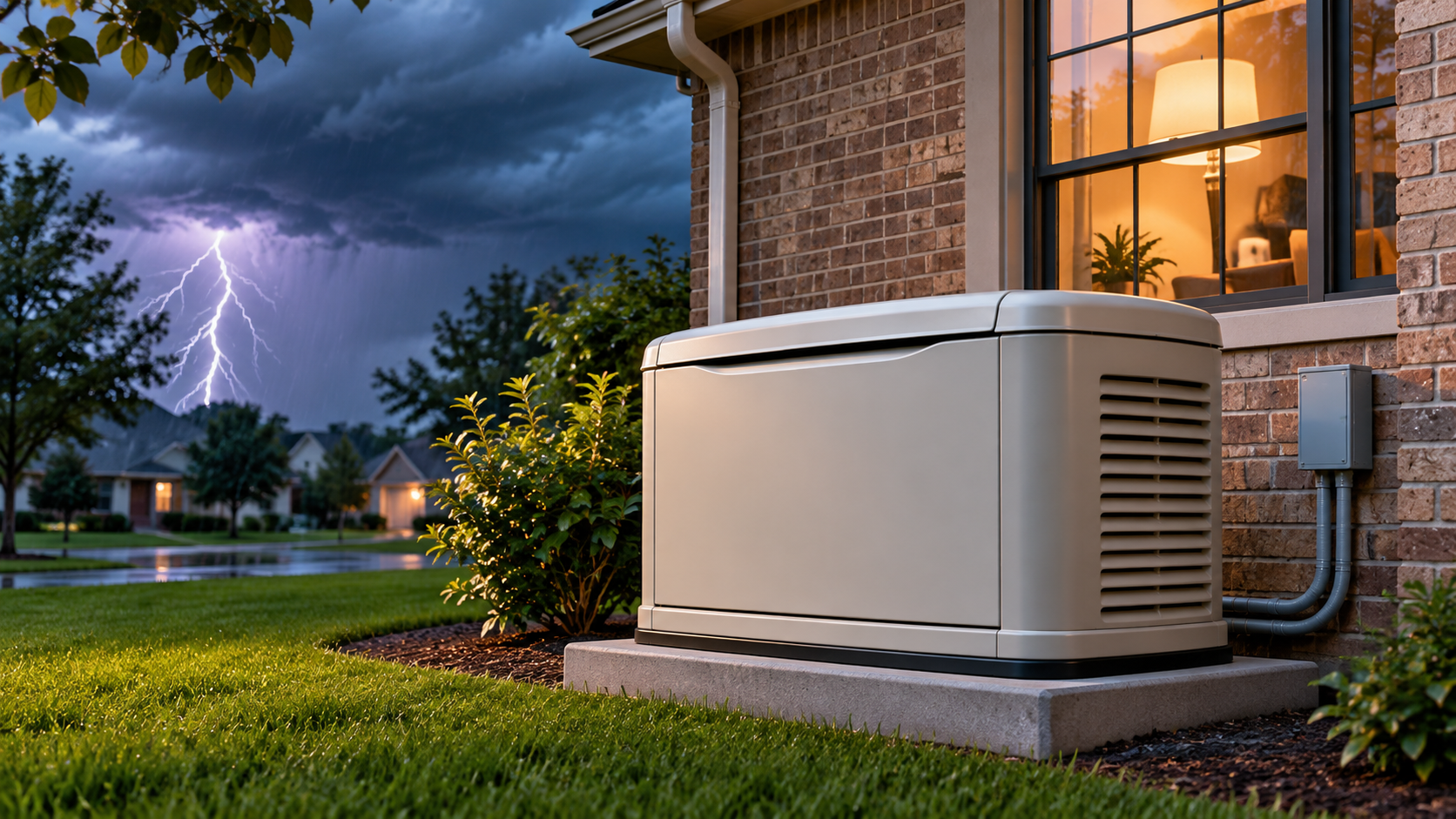
Unpredictable weather and severe storms can cause power loss that’s extremely dangerous during extreme cold or heat, especially for those with medical needs. More North Texas homeowners are asking whether a whole-home generator is a wise choice. Severe spring storms, Winter Storm Uri in February 2021, and extreme summer heat create massive grid strain, which could mean you need a reliable backup power source now more than ever. Republic Home Services offers helpful information on installing a whole-home generator in North Texas and whether this option is right for you.
What Is a Whole-Home Generator and How Does It Work?
Winter Storm Uri caused many North Texas homeowners to reconsider their power needs during extreme weather. A whole-home generator, or standby generator, is a backup power system installed permanently outside your home. The equipment turns on automatically when the main electrical grid fails, providing you with a constant supply of power when you need it most. Here’s how a whole-house generator in Texas works:
- The automatic transfer switch constantly monitors incoming electricity.
- When the generator switch detects a power outage, it signals the internal combustion engine to start, kicking on in seconds.
- The transfer switch safely disconnects your electrical panel from the main utility grid to prevent backfeeding, which can injure utility workers fixing downed power lines.
- The generator’s engine, which usually runs on propane or natural gas, turns an alternator that produces electricity and routes it right into the main breaker panel.
- Once power is restored and the grid is stable, the transfer switch waits a few minutes, then switches your home back to utility power, and the generator runs a short cool-down cycle before turning off.
Who Benefits Most From a Whole-Home Generator?
A generator for power outages is convenient in almost any situation. Here’s who benefits most from a standby generator installation:
- People relying on medical equipment: Patients needing specific medical devices that require power to operate, such as CPAP machines, home dialysis systems, or oxygen concentrators, benefit significantly from a reliable source of home backup power.
- Those who work from home: Whether you run a business from your home or work remotely, a whole-home generator prevents costly downtime during power outages.
- Elderly: If you have elderly family members at home, they need steady climate control to stay safe and healthy, and backup power keeps medications that require refrigeration from spoiling.
- Well and sump pumps: Homes with well water will lose access to water during power outages without a backup generator, and homeowners with sump pumps can experience flooding and water damage if the power goes out during a major storm or flood event.
- Frequent outages: Many homes in our region experience frequent Texas power grid outages, so having a generator keeps the lights on and the power running.
- Vulnerable pipes: A whole-home generator keeps your heat running when the power goes out as outside temperatures freeze, keeping pipes warm and preventing them from freezing and bursting.
Portable vs. Standby Generators: Pros and Cons
A portable generator offers flexibility, while a standby generator provides a more permanent solution. Before you decide which option is right for you, weigh the pros and cons of portable vs. standby generators.
Portable generators
Consider the following when deciding whether a portable generator works for you:
- Pros: These generators are less expensive than standby generators, require no professional installation, can be taken anywhere for practical or recreational use, are easy to store when you don’t need them, and run on various fuel sources like gasoline, propane, or a dual-fuel design.
- Cons: Portable generators must be started by hand when the power goes out, they require manual refilling during extended power outages, they’re only designed to run certain appliances on individual circuits, and they should be placed away from windows and doors due to loud operation and potential carbon monoxide hazards.
Standby generators
Here are some of the pros and cons of standby generators:
- Pros: Standby generators are permanently installed and kick on automatically within seconds of a power outage, they can run heavy loads like well pumps and HVAC equipment at the same time, they’re directly connected to a continuous fuel supply, and they feature special exhaust systems to reduce noise and carbon monoxide hazards.
- Cons: These generators cost a lot upfront to purchase and install, can’t be moved once in place, and require routine maintenance by a certified technician to ensure safety and reliable performance.
Sizing Your Generator
Selecting the right size is a vital step before installing a whole-home generator, and it starts with determining whether it can support essential circuits or the entire home. Standby generators at 7.5 kW to 15 kW can provide power to essential appliances like refrigerators, lights, a sump pump, and a single small appliance. Generators at 16 kW to 22 kW can handle most standard appliances, gas or oil heating, and a central air conditioner. Larger units at 24 kW to 40+ kW support high-demand loads for multiple air conditioners, electric dryers and water heaters, and electric vehicle (EV) chargers all at once.
Fuel Options: Natural Gas vs. Propane
Republic provides professional gas line repair and installation services for your home. Whole-home generators can run on either natural gas or propane, depending on your property’s infrastructure and supply availability. Consider the following when choosing between a propane or natural gas generator:
- If you install a natural gas generator, the gas is piped directly from your local utility line for an ongoing fuel source with no monitoring or on-site storage tanks required.
- Natural gas standby generators are ideal for suburban or urban homes already hooked up to municipal gas that require continuous, low-maintenance power.
- Propane generators use fuel stored inside a dedicated tank installed on your property.
- A propane generator burns cleanly but requires more maintenance than gas generators since you must monitor tank levels and schedule refills as needed.
- Natural gas generators can run indefinitely, while propane generators typically run a few days to over a week before you need to refill the tank.
- Unlike natural gas, which is delivered to the generator automatically, propane generators require separate refills.
Cost Factors to Consider
Before you contact the trusted team at Republic, consider these factors when estimating the cost of a whole-home generator:
- Unit size: Determine whether you need the generator to support essentials only or something that can handle higher, whole-home loads.
- Installation: Your total installation cost varies based on labor and material prices, concrete or composite pad installation costs, and whether an electrical panel upgrade is required.
- Gas and electrical work: You’ll pay less if a municipal gas line is already on your property, but costs increase if you need to run a new or longer line, opt for propane, or do additional electrical work to support the generator.
- Permits: Most municipalities in North Texas require homeowners to obtain a building, electrical, and gas permit before installing a whole-home generator.
- Financing: Explore Republic’s flexible financing options for competitive interest rates and monthly payments that make paying for your new generator convenient, and check out our discounts page for additional savings.
Maintenance and Safety
Here are some tips to help you maintain and operate your generator safely:
- Never run a portable generator indoors.
- Every week to two weeks, check to confirm that the unit is set to “Auto” mode with no error codes or lights showing on the controller.
- Schedule annual professional maintenance in early spring and again in early fall to ensure that your generator is in good, safe, working order.
- If you have a natural gas generator, install carbon monoxide detectors and know the signs of a possible gas leak.
- Check and clean the exterior enclosure every month to remove debris, dust, and cobwebs, and look for visible leaks and corrosion.
- Keep at least five feet of clear space around your generator and keep it clear of mulch, branches, leaves, and flammable materials.
- Make sure the air intake and exhaust fans are clean and free of debris or blockages.
- To prevent carbon monoxide accumulation, keep the generator a safe distance from windows, doors, and fresh-air intake vents.
So, Do You Need One? A Quick Self-Check
Still not sure if you need a whole-home generator? This quick self-check can help make the decision easier:
- A whole-home generator is ideal if you’re concerned about losing heat during winter storms or dealing with expensive emergency heating repairs.
- If anyone in your home uses medical devices that require power, or if you have infants, small children, or elderly family members at home, a generator gives you peace of mind.
- People who run a small business from home or telecommute may want to consider a standby generator to keep things operational when the power grid goes down.
Talk to Republic Home Services About Backup Power Today
Republic Home Services provides new whole-home generator installation services and related gas line and electrical work for customers in North Texas. If you’d like to learn more or want to discuss backup power for your home, contact us today!