

 24/7 365 days a year!
 Schedule
 +500 Positive Reviews
How to Unclog a Drain Without Harsh Chemicals
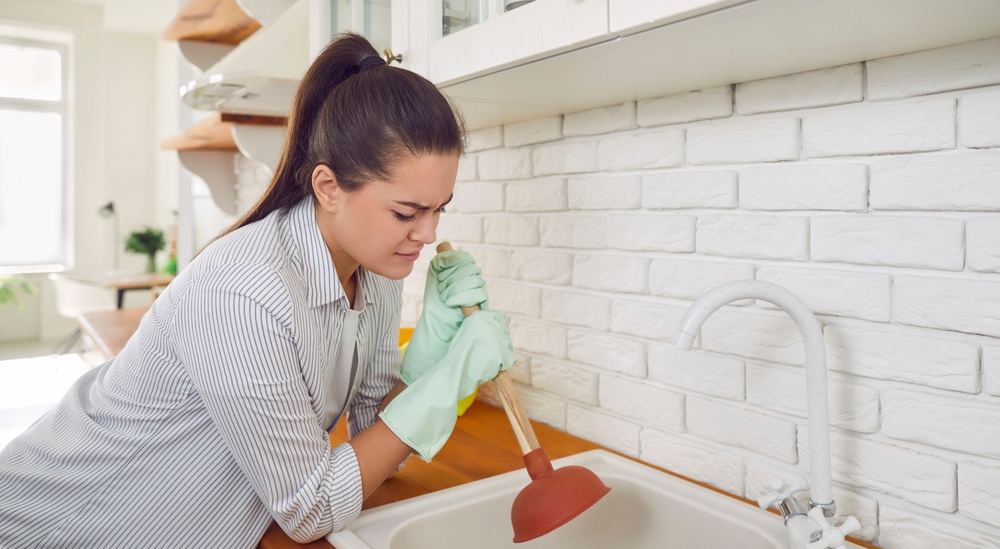
Clogged drains rank among the most common household plumbing problems, affecting kitchen sinks, bathroom sinks, tubs, and showers. When food scraps, grease, soap residue, hair, and mineral buildup cause slow or blocked drains, many homeowners reach for chemical drain cleaners. Although these products promise to unclog your drains with quick results with minimal effort, they also risk pipe damage and safety concerns.
Learn how to unclog drains using effective, natural drain cleaning methods that protect your household, plumbing systems, and the environment.
Why Avoid Chemical Drain Cleaners
Chemical drain cleaners use aggressive reactions to burn through clogs, but those reactions don’t stop once the clog clears. Instead, these products attack plumbing materials, which are especially vulnerable in older systems, and create safety risks inside your home and downstream in water systems. Using products such as lye or sulfuric acid can:
- Damage plumbing and septic systems: Aggressive drain cleaners corrode pipes, weaken joints, and disrupt septic tank bacteria, which increases the likelihood of leaks and costly repairs.
- Release toxic fumes: Chemical reactions produce gases that irritate lungs, eyes, and skin, especially in enclosed spaces like bathrooms or under sinks.
- Harm the environment: Residual chemicals enter wastewater systems and affect aquatic ecosystems long after use.
Republic Home Services focuses on plumbing and drain clearing solutions that protect homes and families. With safe, sustainable practices, we provide long-term system performance and responsible water consumption.
Natural and Safe Methods to Unclog Drains
Natural drain cleaning methods rely on moderate heat, mechanical force, and chemical reactions instead of corrosive and potentially harmful products. These eco-friendly drain unclogging techniques work well for most household clogs and allow homeowners to attempt DIY drain unclogging without risking pipe damage. The following strategies reflect plumber-approved methods to address buildup.
Hot water flush — simple and effective for grease buildup
Hot water helps loosen grease-based clogs that often form in kitchen sinks, and it works best for proactive cleaning or for minor blockages. Grease solidifies as it cools, restricting flow inside pipes, and heat softens the grease and allows it to move through the system.
To use this method, pour hot (not boiling) water slowly down the drain in two or three stages, allowing a few seconds between pours to give the heat time to loosen buildup. Avoid using boiling water on porcelain fixtures or PVC pipes, especially if you have a stubborn blockage, since it can weaken and melt pipes.
Baking soda and vinegar — step-by-step guide to the fizzing chemical reaction
Baking soda and vinegar function as natural cleaners for your drains and other household areas. Combining them creates a mild reaction that loosens organic material inside pipes. Baking soda provides gentle abrasion, while vinegar helps break down residue that clings to pipe surfaces.
Follow these steps to clear out blockages with baking soda and vinegar drain cleaner:
- Step 1: Pour about half a cup of baking soda into the drain, followed by one cup of white vinegar.
- Step 2: Cover the drain opening to push the reaction downward.
- Step 3: Allow the mixture to sit for fifteen to thirty minutes.
- Step 4: Flush with hot tap water.
This method works best for slow drains and light buildup. Don’t combine it with commercial drain cleaners, since leftover chemicals can react unpredictably.
Salt and baking soda mix — good for bathroom sinks and slow drains
Salt adds extra abrasive power to baking soda, which helps remove soap scum and light buildup common in bathroom drains. This combination works well for maintenance and mild clogs.
Mix half a cup of baking soda with half a cup of salt, and pour it down the drain. Let the mixture sit for several hours or overnight, then follow with hot water to rinse the loosened debris away. Keep in mind that the mixture needs direct contact with the buildup to work.
Plunger or drain snake — safe mechanical methods to dislodge clogs
Mechanical tools like plungers and snakes clear clogs through direct contact and pressure. When used correctly, a plunger works well for sinks, tubs, and showers. With enough water to cover the plunger cup, apply firm, controlled plunges to create suction and movement inside the pipe and dislodge the clogging debris. Keep in mind that there are different plungers, depending on the application — standard cup plungers are best for flat surfaces, such as sinks and bathtubs, while flange or accordion plungers are shaped to create tight seals when plunging toilets.
If you need to manually break up a blockage, try a drain snake or hand auger. These tools reach into the drain to hook on or dislodge hair, soap residue, or debris. Insert these tools slowly, rotating gently as you hook or push the materials. Avoid aggressive twisting that can damage pipes or push clogs deeper into the system. Don’t use non-plumbing tools for this task, such as metal coat hangers that can damage pipes.
Remove and clean the p-trap — for those comfortable with light DIY
The P-trap is the clogged section of the sink drain. This part collects debris while blocking sewer gases from entering the home, and it’s prone to clogs with improper disposal and drain habits.
To remove and clean the p-trap, follow these steps:
- Step 1: Place a bucket beneath the trap to catch any water or debris.
- Step 2: Loosen the slip nuts and remove the curved pipe.
- Step 3: Pull debris out from the P-trap.
- Step 4: Reinstall the P-trap. Avoid overtightening fittings.
Preventing Future Clogs
Preventing clogged drains requires consistent habits and basic maintenance. Try these strategies to protect your plumbing system from clogs and backups:
- Use drain strainers: Strainers capture hair, food particles, and debris before they enter pipes.
- Avoid pouring grease down sinks: Grease hardens inside pipes even when followed by hot water. Dispose of cooled grease in a sealed container.
- Flush your drains: Monthly baking soda and hot water treatments help control residue and odors.
- Schedule periodic drain cleaning: Professional cleaning clears buildup beyond the reach of normal household methods.
When to Call a Professional
Some clogs persist despite natural drain cleaning methods, suggesting deeper or more complex plumbing issues. Continued DIY attempts can compact debris or stress pipe connections, potentially resulting in secondary problems and more costly repairs. Professional service identifies the source using sewer camera inspections and other tools and resolves the problem safely. Contact our team if you experience these plumbing issues:
- Recurring blockages
- Multiple drains backing up
- Foul odors
- Slow drainage despite DIY attempts
If you’ve tried everything and your drain still won’t clear, Republic Home Services offers expert drain cleaning in Red Oak or other communities in Ellis County and Dallas County.
Safe Drain Clearing Solutions That Protect Your Home
While harsh chemicals are rarely the ideal solution for clogged drains, natural drain cleaning methods can handle most household clogs while preserving pipe condition and protecting the rest of your plumbing system. Try DIY drain unclogging strategies for minor issues, but call a professional if they persist, worsen, or affect multiple drains.
Republic Home Services helps homeowners choose the right drain cleaning and clearing strategies to keep plumbing systems functioning reliably. Contact us when you need guidance on how to clear a clogged drain naturally or when to call a plumber for a clog.