

 24/7 365 days a year!
 Schedule
 +500 Positive Reviews
How to Detect Hidden Water Leaks Before They Cause Damage
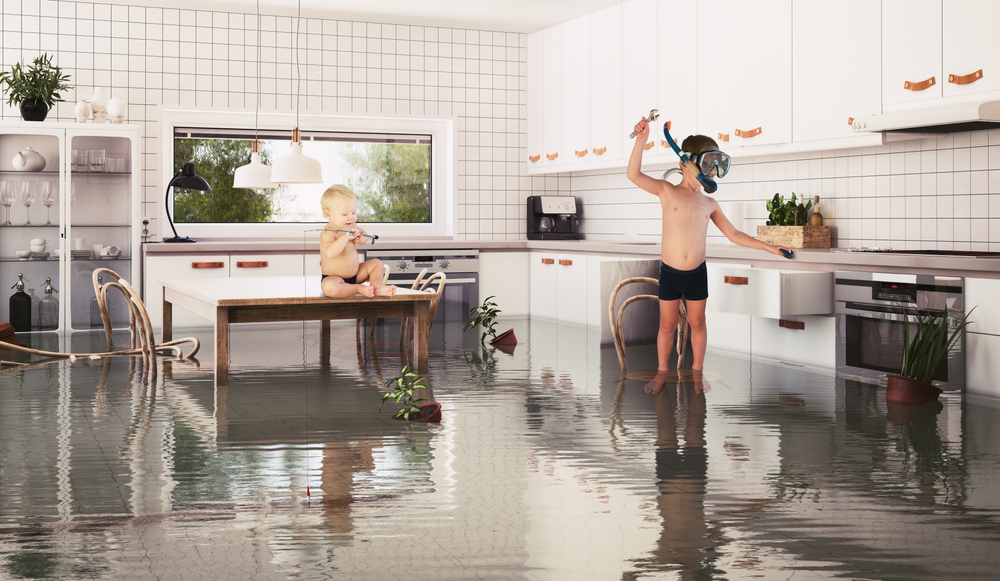
Water leaks are common occurrences in homes and often go unnoticed until substantial damage has occurred. Undetected leaks can rot out a home’s structure, create a breeding ground for mold, and cause skyrocketing water bills. Knowing what to look for and acting early is the difference between simple repairs and a costly restoration project. Learn about hidden water leak detection and how the experienced plumbers at Republic Home Services can help.
Why Hidden Water Leaks Are So Dangerous
Hidden water leaks occur in places you can’t see, like behind walls, beneath concrete slabs, under flooring, and above ceilings. When left unaddressed, leaks can saturate an area and spread easily, leading to structural materials weakening and subflooring rotting. Over time, what started as a small pinhole leak can compromise the structural integrity of your home.
Mold growth is another serious concern. Mold thrives in moist, dark environments, the exact conditions a hidden leak creates. Once mold takes hold inside a wall or beneath a floor, it spreads rapidly and begins to affect indoor air quality.
According to the EPA, a hidden water leak can waste 3,000 gallons of water per year, which shows up on your high water bill over time.
10 Common Signs of a Hidden Water Leak
There are several common signs of hidden water leaks. These hidden plumbing leak symptoms include:
- Unexplained increase in water bills: If your water usage hasn’t changed but your bill keeps climbing, a hidden leak could be the issue.
- Musty or damp odors: A musty smell, especially coming from your walls, can mean mold has started growing from a hidden leak.
- Water stains on walls or ceilings: Yellowing or brown stains on walls or ceilings mean water has pooled where it shouldn’t.
- Peeling paint or bubbling drywall: Moisture trapped behind surfaces can cause paint and drywall to bubble and eventually crack.
- Mold or mildew growth: Visible mold in areas with low humidity or mold recurring in the same spot can point to a hidden leak.
- Warped flooring or soft spots: If your flooring feels spongy, or like it’s cracking or shifting, it could be absorbing water from a leak below.
- Low water pressure: A sudden drop in water pressure can indicate a leak somewhere in the line.
- Sounds of running water when fixtures are off: If you hear water running through a piping system, even when no faucets or appliances are turned on, this could mean a leak.
- Hot spots on floors: Warm patches on your flooring are a classic slab leak sign.
- Cracks in the foundation or walls: Homes crack over time, but a crack that’s expanding, especially near the base of your walls, can be caused by trapped moisture.
How To Check for a Hidden Water Leak in Your Home
If you suspect a water leak, there are several ways to check before calling a professional. Here’s how to find a water leak in your home.
Monitor your water meter
Start by turning off every water source in your home, including faucets, appliances, irrigation systems, and ice makers. Then locate your water meter, which is typically near the curb or at the front of your property, and note the reading. Wait 30 to 60 minutes and see if the dial has moved. If it has, you may have a hidden leak.
Inspect common problem areas
Check under every sink for any signs of moisture, corrosion, or water damage warning signs. Check around faucets in your tub, toilet, and showers, and examine the areas around your water heater for pooling water. Pull appliances like the washing machine and refrigerator away from the wall and look for dampness or discoloration behind or beneath them.
Check toilets for silent leaks
Toilets are among the most common sources of hidden water waste. A faulty flapper valve allows water to silently drain from the tank into the bowl and straight down the drain. To check, add a few drops of food coloring to the toilet tank. Wait 15 minutes, and if you see the food coloring in the toilet bowl, your toilet has a leak.
Where Hidden Leaks Commonly Occur
There are a few places where hidden leaks usually form. Always check in these spots:
- Behind walls
- Under slabs
- In ceilings and attics
- Underground pipes
Some of these areas are not easy to inspect without proper training and equipment and require a visit from a leak detection technician.
Slab Leaks: A Major Concern for Texas Homes
The majority of homes in the Texas region are built on concrete slab foundations. Your home’s water supply and drain lines run directly beneath or within the concrete slab. When one of those lines develops a leak, it is called a slab leak. Texas has shifting, expanding clay soil that can put extreme stress on underground piping systems, leading to slab leaks.
Warning signs of slab leaks include:
- Warm or hot spots on tile or concrete floors.
- The sound of running water when everything is turned off.
- Cracks appearing in the flooring or walls at the base of your home.
- A significant and unexplained spike in your water bill.
- Wet carpet with no surface source.
When To Call a Professional Leak Detection Service
DIY water leak checks are a helpful first approach, but they can only go so far. If your water meter test indicates a leak but you can’t locate the source, or if you notice signs of water damage without an obvious explanation, it is time to call a professional.
Republic Home Services technicians use advanced technology to find hidden leaks, including:
- Acoustic leak detection: These listening devices detect the sound of water escaping.
- Thermal imaging: Infrared technology identifies temperature variations caused by moisture or active leaks.
- Pressure testing: We isolate sections of your plumbing system and identify where pressure is being lost.
- Hydrostatic testing: We insert an inflatable ball to block your sewer line, fill the line with water, and monitor the water to see if it reaches your home’s slab level. If it doesn’t, you probably have a water leak.
These tools allow professionals to pinpoint leaks with precision, minimizing guesswork and damage to your home during the diagnostic process. It also helps to guarantee that repairs are made in exactly the right place.
How Republic Home Services Detects Hidden Leaks
At Republic Home Services, we bring years of hands-on plumbing experience to every leak detection call. Our licensed technicians are trained to identify the full range of hidden-leak scenarios, from minor supply-line drips to complex slab leaks beneath your foundation. Before we begin any repairs, we follow a diagnostic process using advanced, non-invasive technology to locate leaks with precision.
We’re a trusted local provider throughout Texas, and we stand behind our work with honest assessments, transparent pricing, and fast response times for all hidden-leak services.
How To Prevent Hidden Water Leaks
There are a few proactive steps you can take to prevent hidden water leaks:
- Schedule regular plumbing inspections: Annual inspections with Republic Home Services allow our professional plumbers to catch issues such as aging fittings or corroded pipes before they fail.
- Monitor your water bills: A gradual increase of 10-15% in water usage is worth investigating.
- Replace aging pipes: If your home is more than 30 or 40 years old and still has original galvanized steel or polybutylene pipes, replacing them is worthwhile to prevent leaks.
- Install leak detection devices: Smart water sensors placed under sinks, near water heaters, and behind appliances alert you to moisture the moment it appears.
Call Republic Home Services for Leak Detection Services
If you suspect you have a hidden leak or have pinpointed one using DIY leak-detection methods, leave the rest to the professionals. Republic Home Services has been helping Northern Texas residents with leak detection and repair for many years. Contact us today to schedule a service with our expert leak detection team.
Frequently Asked Questions
Can a plumbing leak fix itself?
No, leaks never fix themselves. A small drip may temporarily slow if pressure drops, but the underlying failure in the pipe, fitting, or seal will continue to worsen over time.
How much does leak detection cost?
Professional leak detection costs vary depending on the complexity and location of the leak in your home. Non-invasive diagnostic services are typically less expensive than repairing water damage from a leak.
Are slab leaks covered by insurance?
Many policies cover the cost of accessing the leak, like cutting through the slab, but not the pipe repair itself. Some policies offer water damage coverage for resulting structural damage, so it’s best to check your policy.
Is a small leak really a big deal?
Yes, a small leak is a really big deal because it can quickly escalate into extensive water damage, cause mold growth, or compromise your home’s structure. Never ignore a small leak and call on the expertise of Republic Home Services for repairs.